
If texting someone back feels strangely hard even when you care deeply about the person, you’re not alone. For many people with ADHD, replying to messages can become a surprisingly heavy task, tangle up with executive dysfunction, time blindness, emotional overwhelm, and the pressure to “say the right thing.”
This article explores why texting back can feel disproportionately difficult, how guilt and avoidance can quietly reinforce each other over time, and what realistic, low-shame strategies can make staying in touch feel more manageable.
When Talia, 17, sees her teacher’s email pop up in her inbox, she tells herself she’ll answer after dinner. It is a simple message, just a check-in about a missing assignment and whether she needs extra help, but replying feels harder than it should. She wants to sound respectful, explain herself clearly, and not seem irresponsible, so she opens the email, thinks about what to say, and then closes it to come back later. The next day, she remembers it in the middle of class and feels a jolt of panic and shame. By then, a response feels “late,” which somehow makes it even harder to answer. Soon, one unanswered email turns into a knot of guilt: My teacher probably thinks I do not care. I should have replied sooner. Even though Talia does care, the combination of overwhelm, avoidance, and pressure makes hitting “send” feel much harder.
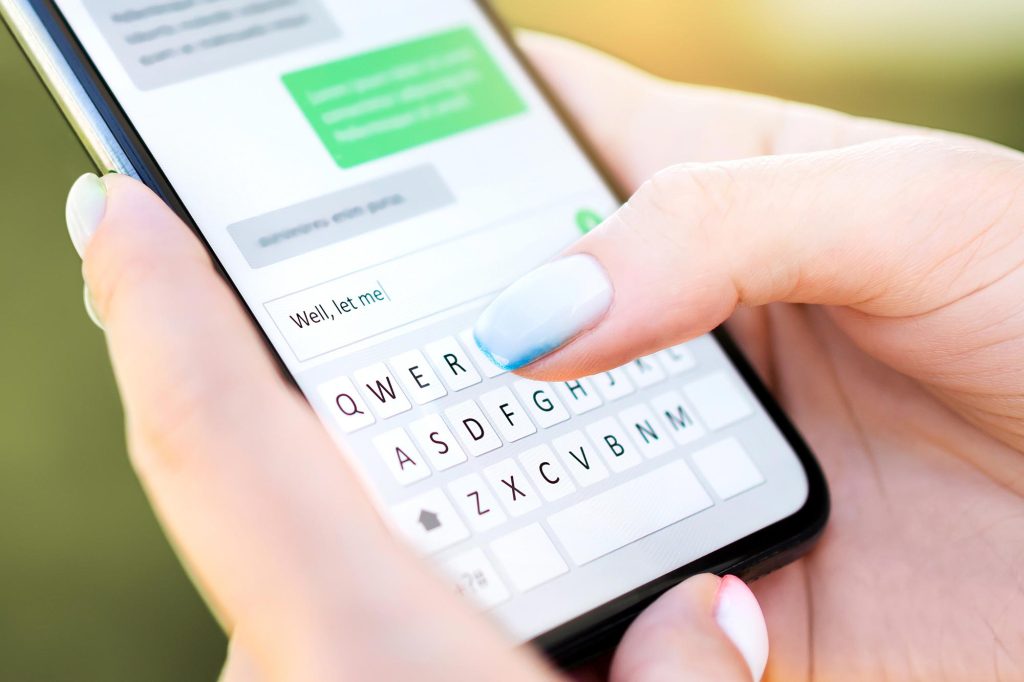
It often starts with a completely ordinary moment: you see a text, register it, and fully plan to answer in a minute. Then something interrupts you, or your brain files it under “not now,” and somehow that one message sits there for hours, or even days. As time passes, the emotional spiral kicks in: Now it’s too late. They probably think I’m rude. I need to write the perfect response to make up for it. For many people with ADHD, texting back can quietly turn into a cycle of guilt, avoidance, and overwhelm. And that difficulty is often not about not caring at all. More often, it grows out of executive dysfunction, task paralysis, emotional overwhelm, time blindness, and perfectionism.
The good news is that small, realistic and intentional systems can make communication feel much easier.
Why Texting Back Can Be Hard With ADHD
For many people with ADHD, replying to a text is a whole chain of tasks: noticing the message, reading it, deciding what it means, figuring out what to say, drafting a response, and finally sending it. When executive functioning challenges are involved, that chain can feel challenging. Task initiation can make even a simple reply feel strangely hard to start, while time blindness turns I’ll answer in a minute into hours or even days without meaning to. Working memory and object permanence, or the “out of sight, out of mind” phenomenon, also plays a role: once the message is no longer right in front of you, it can slip completely out of attention. Perfectionism and overthinking can also make it feel like you need to come up with exactly the right response before saying anything at all. And when a text carries pressure, ambiguity, disappointment, or guilt, emotional regulation challenges can make opening or answering it feel even more overwhelming.

The Guilt-Avoidance Cycle
What begins as a small delay can quickly turn into an emotional burden. A message arrives, you fully intend to reply later. Time passes. Guilt kicks in. What started as a simple message now feels emotionally loaded, so avoidance increases. The delay gets longer, the shame grows, and the text begins to feel less like a small task and more like something threatening. The brain is no longer reacting to just replying, it is reacting to the discomfort attached to the reply: embarrassment, fear of disappointing someone, pressure to explain, or worry about being judged. That is why the longer the delay goes on, the heavier the response can feel.
For Talia, replying to her teacher’s email wasn’t hard because she did not know what to say. It became hard because every extra day added more guilt, more self-criticism, and more pressure to make the response perfect. Instead of feeling like one email, it started to feel like proof that she had failed. And that is what makes the cycle so difficult: avoidance is often a stress response to overwhelm and shame, not laziness, indifference, or a lack of care.
Strategies For Responding
- Reply in the moment when possible. If a message will take less than two minutes to answer, it often helps to do it before switching tasks. Once attention moves elsewhere, it can be much harder to come back.
- Use “good enough” replies. A response does not have to be polished to count. A short placeholder like Saw this and will reply later can keep a message from turning into a source of stress.
- Lower the bar for what counts as a response. A brief text is usually better than a perfect paragraph sent three days late. A simple Yes, I can’t make it, or I’ll get back to you tonight still communicates.
- Create visual reminders. Since messages can disappear from attention once they are out of sight external reminders can help. Mark messages as unread, pin important chats, or set a follow-up reminder so the task does not rely only on memory.
- Use templates for common responses. It can be easier to reply when you do not have to start from scratch every time. Saved responses for making plans, declining invitations, or apologizing for delays can reduce the mental load.
- Schedule a daily texting check-in. Setting aside even 10 minutes can make communication feel more manageable.
- Separate high-pressure texts from low-pressure ones. Not every message carries the same emotional weight. Answering a few easy ones first can build momentum and make the harder replies feel less overwhelming.
- Be honest with close people. A simple explanation like I’m bad at replying when I’m overwhelmed, but I do care can reduce misunderstandings and lower shame on both sides.
- Forgive late replies and send them anyway. The longer a message sits, the more tempting it is to avoid it completely. But often, Sorry for the late reply is enough. You do not need a perfect explanation to reconnect.
The most helpful texting strategies are usually the ones that reduce pressure, not the ones that demand perfect consistency. For many people with ADHD, the goal is not to become someone who always replies instantly. It is to make responding feel easier, lighter, and less emotionally loaded.
When Talia finally sends a simple, honest reply to her teacher (Sorry for the delay. I saw this and got overwhelmed, but I do want to figure out a plan), she breaks the cycle not by hitting on the elusive “perfect” response, but by summoning a little courage and finding a place to begin.


Isabel is a Master’s-level clinician in training at Columbia School of Social Work, where she focuses on relational approaches to Attention-Deficit/Hyperactivity Disorder. She integrates evidence-based treatments including Cognitive Behavioral Therapy and ACT, drawing on experience providing behavioral therapy to children with ADHD and co-occurring conditions. Isabel brings a warm, grounded presence to her work, helping clients build emotional awareness, resilience, and practical strategies for lasting change.