
If you’ve found yourself running out of patience, feeling burnt out, or disconnecting from the child you love, you’re not alone. Parenting a child with ADHD can be incredibly rewarding, but it can also feel overwhelming in ways you never expected. Many parents of kids and teens with ADHD experience these emotions, but it’s important to remember that these feelings usually come from stress, not a lack of love or effort.
The good news is, ADHD is treatable! And with the right strategies, support, and resources, both children and parents can thrive. This article is here to help you understand what’s happening beneath the surface, why certain behaviors feel so challenging, why your own reactions might surprise you, and most importantly, what can truly help. My goal is to offer clarity, compassion, and practical strategies so you can feel more confident, capable, and connected on this journey with your child.
Why Parenting a Child With ADHD Can Feel So Hard
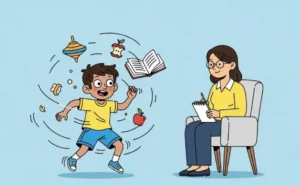
Parenting a child with ADHD can feel overwhelming because the challenges show up everyday. ADHD traits like impulsivity, hyperactivity, emotional dysregulation, forgetfulness, and sensitivity mean your child often requires more supervision, more redirection, more reliance on others to remember details, and more emotional support than other kids their age.
On top of the daily behaviors, there’s the invisible load many parents carry, such as finding treatment and therapies for ADHD, creating structured routines, offering endless reminders, and working with schools to meet their child’s needs. It’s no wonder parents begin to question themselves or feel like they’re somehow failing. But these struggles aren’t a reflection of poor parenting. They are a reflection of the significant demands of raising a child whose brain is wired differently than the world is designed for.
You’re not the cause of the difficult moments, and you’re certainly not alone in them.

and parents can thrive.
Understanding What’s Really Going On With Your Child
Understanding what’s really going on with your child starts with recognizing that ADHD is a brain-based difference. Executive functions such as planning, emotional regulation, impulse control, and working memory develop more slowly in kids with ADHD. These skills are controlled by the brain’s frontal lobe and are essential for daily life, school, and relationships. Some areas of the brain, like the prefrontal cortex, tend to be a bit smaller in individuals with ADHD. The connections between brain regions can also work differently, especially between the prefrontal cortex and the striatum, a part of the brain that handles rewards and motivation. Research has also found differences in neurotransmitter levels, specifically dopamine and norepinephrine, which can make it harder to stay motivated, pay attention, and manage impulses. Individuals with ADHD may have lower activity in the
prefrontal cortex during tasks that demand focus, but higher activity in the brain’s reward system, which can make resisting impulses harder. Additionally, the brain networks that manage attention sometimes work less efficiently, which helps explain why staying on task can feel like such a challenge.
It’s important to note that ADHD is not the same for everyone, and the way these brain differences show up are often more noticeable in children and can vary from person to person.
Typical parenting methods that rely on sustained attention, self-control, or delayed gratification often fall flat because they depend on skills your child is still developing. When you reframe challenging moments as signs of dysregulation rather than intentional misbehavior, you begin to see your child not as disobedient, but as overwhelmed, and in need of support, not punishment.
Understanding What’s Really Going On With You
Understanding what’s really going on with you is just as important as understanding your child. Many parents of kids with ADHD experience signs of burnout such as resentment, irritability that feels out of character, or a deep emotional fatigue that makes even small tasks feel large. This often creates a guilt cycle in which parents get angry or overwhelmed, then feel ashamed for reacting that way, which leads to pulling back or feeling isolated. These responses are signals that your nervous system has been running on high alert from constant stimulation, conflict, or the unpredictability that ADHD can bring into daily life. Your body and brain are trying to protect you, and recognizing this opens the door to compassion, relief, and real support.
Strategies That Actually Help Reduce Daily Conflict
Strategies that actually help reduce daily conflict start with creating predictable routines for your child that are simple, visual, and consistent. This can include small habits like making their bed every morning, having a set place for their school backpack, or following the same sequence in the morning for getting ready. Tools like visual timers, planners, and calendars can help with organization and time blindness, and movement breaks can ease tough transitions, curb hyperactivity, and prevent emotional outbursts before they escalate. When correction for a misbehavior is needed, staying calm, validating feelings, and guiding behavior works far better than punishment cycles that trigger shame or resistance. Offer choices instead of commands, build in small positive moments of connection every day, and enthusiastically praise your child when they’re successful. Paying too much attention to negative behaviors actually fuels the very attention your child is craving. Try responding once, firmly and clearly, and then calmly ignoring the rest of the negative behavior. And when your child does something well or shows even a small positive behavior, that’s your moment to praise them generously and often.

What to Do When You’re at Your Breaking Point
When you’re at your breaking point, the first step is to give yourself permission to step away and calm your nervous system. That might look like stepping into another room, taking slow breaths, splashing cold water on your hands, or speaking grounding phrases out loud like, “I’m safe. My child is safe. I can pause.” And if the exhaustion or conflict feels nonstop, or your child’s behaviors are becoming harder to manage, reaching out for professional support for your child or for yourself is a courageous step that can bring real relief and serve as a reminder that you do not have to navigate this alone. Therapy can be a healing space for parents to process stress, learn regulation tools and ADHD parenting techniques, and rebuild confidence.
Your Feelings Don’t Make You a Bad Parent
Your frustration, exhaustion, or moments of overwhelm aren’t signs that you’re failing, they’re signals that you’ve been carrying too much, for too long, without enough support. These feelings are human, not harmful. And the good news is that things can get better: both you and your child can learn new skills, new routines, and new ways of communicating that make daily life feel lighter and more connected.
There are real, effective treatment options for ADHD, such as therapy, medication, neurofeedback, and psychoeducation that can make a meaningful difference for your child and for your family’s daily functioning. Together, these treatments can provide a strong foundation for building a relationship with ADHD in which both of you can thrive.
About the Author
Isabel graduated from the University of Michigan with bachelor’s degrees in Biopsychology, Cognition, & Neuroscience and History of Art. Combining her passion for supporting teens as they navigate ADHD and the many stressors that come with entering adulthood, she is dedicated to empowering her clients to recognize their potential, trust their abilities, and navigate life’s transitions with confidence and purpose.