
In today’s overstimulating world, symptoms of ADHD such as inattention, hyperactivity, impulsivity, and emotional dysregulation can feel difficult to deal with — particularly in children, for whom these challenges often appear as behavioral problems. Many people with ADHD experience difficulty maintaining focus, regulating their emotions, managing negative looping thought patterns, and maintaining strong interpersonal relationships. A growing body of research has begun to explore the psychological and physical benefits of spending time in nature, and its role in replenishing attention, improving relationships, and reducing stress and rumination.
Attention Restoration Theory
Attention Restoration Theory (ART) posits that exposure to nature can restore depleted cognitive resources, specifically attention, which is especially important in children with ADHD. A study investigating the impact of natural environments on attention and family cohesion examined the attention levels and family interactions of mothers and their daughters after exposure to two different environments. Twenty seven mother-daughter pairs participated in two counterbalanced experimental conditions: a 20-minute walk in an arboretum and a walk in a mall, followed by a family interaction task. Attention was assessed before and after each walk, while family cohesion was evaluated through direct observational coding. The results revealed that exposure to nature improved individual attention (particularly for mothers), was rated as more enjoyable, and fostered stronger mother-daughter cohesion.
Nature’s Role in Stress Reduction
Research also increasingly demonstrates the positive impact of nature on stress reduction. Studies suggest that natural environments can reduce stress by influencing physiological systems, particularly through the suppression of the hypothalamic pituitary adrenal (HPA) axis, which lowers levels of the stress hormone cortisol. Participants in rehabilitation programs report feelings of calm and connection in natural settings, linking these experiences to reduced stress levels and improved coping skills. One emerging theory posits that the oxytocinergic system may mediate these effects.
ADHD and Rumination
Rumination describes an individual’s persistent focus on distressing, negative emotions, and their underlying consequences. Recent studies aim to understand how exposure to nature may alleviate rumination, particularly among individuals residing in urban environments. A 2020 study found that a 30-minute nature walk in an urban park significantly reduced ruminative thinking and negative mood, while a walk of the same duration in a city lacking natural elements did not. Participants in nature walks reported greater awe, which can be defined as an experience in nature that is characterized by feeling part of something greater than oneself, and more external-oriented thoughts.

ADHD and Relationships
Many studies on social outcomes have found that adults with ADHD often face greater challenges in developing and maintaining serious romantic relationships. They tend to have a higher than average number of marriages and report lower levels of marital satisfaction compared to adults without ADHD. A study examining how time spent in nature facilitates relationship satisfaction among individuals with ADHD symptomology found increased relationship satisfaction and decreased emotional dysregulation. Interpersonal relationships and behavioral challenges play a vital role in shaping children’s social development, and nature connection has also been shown to have a positive impact in these domains. A 2024 study found that when parents have a stronger connection to nature (and hence spend more time in nature), their children tend to form better relationships with peers and show fewer behavioral problems.
These findings suggest that encouraging both parents and children to engage with nature can support healthier social connections and help reduce behavioral challenges.

Ways to Use Nature for ADHD Support
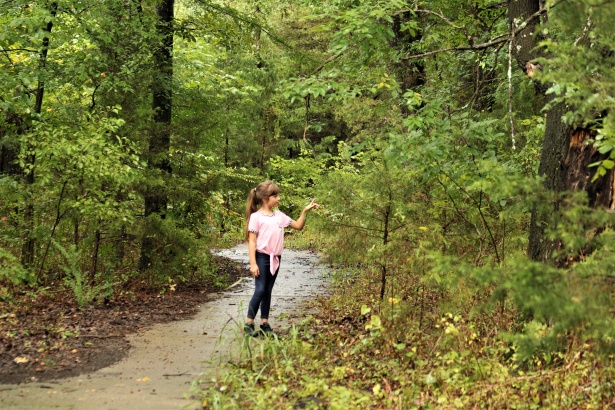
Nature offers an escape from the constant stressors of daily life that demand our attention. It’s a way to step away from screens, reduce overstimulation, and find relief from the fast-paced world we live in. Watching a river flow or birds play draws on a gentler kind of attention that is naturally engaging, allows time to reflect, and doesn’t leave one feeling depleted or fatigued. Nature also provides excellent opportunities for physical activity, which can improve sleep, boost mood through the release of endorphins and neurotransmitters such as dopamine, and help regulate restlessness.
Try taking just 10 minutes after school or work to walk through a nearby park. Research shows that frequent exposures to nature, even if they’re short, are beneficial and can have lasting effects. Families can hang out more in their backyards, spend time together at local parks, or take a trip to a mountain trail. As November approaches and the trees become less green, the natural processes that gently engage and restore our attention remain present amidst the graying of fall and winter. While nature is by no means a cure-all for ADHD symptoms, research strongly supports its role as a valuable form of treatment and self-care.