
Perhaps you or your child has recently received a diagnosis of Attention-Deficit/Hyperactivity Disorder (ADHD), or perhaps you’re suspecting that you or someone in your family might have it. The goal of this article is to normalize ADHD, to highlight its strengths, and to serve as a guide to the best resources, media, books, and communities for children, teens and parents.
Understanding ADHD
ADHD is a common neurodevelopmental condition that can affect how a person thinks, feels, learns, and interacts with the world around them. Common traits in adolescents and adults include inattention, hyperactivity, impulsivity, and emotional dysregulation. ADHD can influence school performance, day-to-day routines, social interactions (including relationships with friends and family members), and well-being. In the U.S., approximately 11.3% of adolescents ages 5 to 17 years have been diagnosed with ADHD, meaning roughly 1 in 9 adolescents have received a diagnosis at some point in their lives. Understanding how common ADHD is can help to reduce stigma and remind teens and their families that they are not alone.
Getting a Diagnosis
If you suspect ADHD, testing can be an important first step as it can lead to school accommodations, self-understanding, and the initiation of early intervention to enhance your or your teen’s life. The process often starts with reaching out to a practice, pediatrician, or psychologist who can help determine the most appropriate evaluation approach. A formal diagnosis typically involves clinical interviews, behavior rating scales, and cognitive testing to understand strengths and challenges across different settings. Seeking a proper evaluation not only clarifies whether ADHD is present but also opens doors to personalized strategies, educational supports, and, if needed, treatment options that improve daily functioning and well-being. The ATTN Center specializes in ADHD testing and treatment for children, teens, and adults. Additional resources include local children’s hospitals or university psychology clinics that often provide comprehensive ADHD evaluations. You can also find professionals experienced in diagnosing and supporting individuals with ADHD through the CHADD Professional Directory or Psychology Today’s Therapist Directory.

Treatment and Therapy Options
A. Behavioral and Family Therapy
Behavioral and family therapy for ADHD focuses on teaching practical, everyday skills that help children and teens stay organized, manage emotions, improve focus, and build confidence. Therapists collaborate closely with both the child and their parents to set goals and practice evidence-based strategies, including:
- breaking tasks into small, manageable steps;
- using visual supports such as checklists, calendars, and timers;
- strengthening problem-solving, communication, and social skills;
- challenging negative self-talk and building healthy self-esteem; and
- creating predictable routines that support success at home and school.
These approaches often include behavioral parent training (helping caregivers learn consistent, supportive behavior management skills), cognitive behavioral therapy (helping teens recognize patterns in the thoughts, emotions, and behaviors), and ADHD coaching (building organizational skills and improving planning and time-management habits). Therapy works best as a collaborative, whole-family approach, empowering parents and children to practice skills together to create a supportive environment in which every family member can thrive.
These approaches often include behavioral parent training (helping caregivers learn consistent, supportive behavior management skills), cognitive behavioral therapy (helping teens recognize patterns in their thoughts, emotions, and behaviors), and ADHD coaching (building organizational skills and improving planning and time-management habits). Therapy works best as a collaborative, whole-family approach, empowering parents and children to practice skills together to create a supportive environment in which every family member can thrive.
B. Neurofeedback: A Brain-Based Approach
The ATTN Center also offers neurofeedback, a non-invasive treatment that helps adolescents practice improving focus and self-regulation by using real-time feedback on a screen showing their brain activity. It usually begins with a “brain map” (qEEG) to see which brain areas and pathways need support. Adolescents then attend regular sessions in which they watch a screen or play a game that rewards them when their brain shows more regulated activity. Over time, this helps strengthen patterns linked to attention and self-control. A full program including 30-40 short sessions over 15-20 weeks is generally needed to see lasting benefits.
C. Medication
Medication can help boost focus, reduce impulsivity, increase attention span, and improve overall executing functioning. These medications work by adjusting the levels of certain neurotransmitters that support attention and self-control. Finding the right medication can involve some trial and error, but once the right fit is found, many notice a meaningful improvement in their symptoms.
Getting a Diagnosis
If you suspect ADHD, testing can be an important first step as it can lead to school accommodations, self-understanding, and the initiation of early intervention to enhance your or your teen’s life. The process often starts with reaching out to a practice, pediatrician, or psychologist who can help determine the most appropriate evaluation approach. A formal diagnosis typically involves clinical interviews, behavior rating scales, and cognitive testing to understand strengths and challenges across different settings. Seeking a proper evaluation not only clarifies whether ADHD is present but also opens doors to personalized strategies, educational supports, and, if needed, treatment options that improve daily functioning and well-being. The ATTN Center specializes in ADHD testing and treatment for children, teens, and adults. Additional resources include local children’s hospitals or university psychology clinics that often provide comprehensive ADHD evaluations. You can also find professionals experienced in diagnosing and supporting individuals with ADHD through the CHADD Professional Directory or Psychology Today’s Therapist Directory.
Treatment Programs
Many organizations offer multi-week programs specifically for children and teens with ADHD. These programs often combine behavioral therapy, academics, sports, and social-skills training, and operate like a camp staffed with trained counselors and clinicians who teach and reinforce positive behaviors. Most of these camps use a detailed point system, awarding points for positive behaviors and marking “negative” behaviors, such as calling out in a simulated classroom setting. Children earn prizes as incentives for positive behavior, and counselors provide praise and affirmation when those behaviors occur. Negative behaviors are acknowledged but intentionally not given attention, helping redirect children without reinforcing the behavior.
Progress is tracked throughout the day using the point system, which essentially creates a personal behavioral dataset for each child and supports personalized strategies that reduce disruptive behaviors and improve overall treatment outcomes. Many camps focus on building emotional awareness and regulation, leading to better focus and behavior in both academic and social environments. Many programs run during the summer, giving children a chance to build skills and confidence before the school year begins. High staff-to-child ratios and counselor expertise ensure a strong level of support, and many programs include parent training seminars to extend treatment benefits into the home environment.

Organizations to Check Out:
- Child Mind Institute: offers a four-week ADHD Summer Program for children ages 5-10
- Mount Sinai ADHD Programs: organizational skills training, Incredible Years Program for ages 4-7, help with school selection, College Group Therapy, 12-week Adults Group
- Duke Center for Girls & Women with ADHD: educational resources and support, research
- CHADD (Children and Adults with ADHD): parent and teen groups, local chapters, conferences
- ADDA (Attention Deficit Disorder Association): adult resources and webinars
- ADDitude Magazine: expert articles, webinars, and real-life stories for kids and parents
ADHD in Media: Some Recommendations
A. Documentaries
- The Disruptors
- ADD & Loving It?!
- Living With ADHD
- ADHD: Understanding the Superpowers Within
B. YouTubers
- Jessica McCabe
- Ryan Wexelblatt
- Dr. LeGrand
- Dr. Tracey Marks
- Stacey Machelle
- Eric Tivers
- Dr. Russell Barkley
C. Podcasts
- ADHD for Smart Ass Women (Tracy Otsuka)
- ADHD Experts Podcast by ADDitude Magazine
- Taking Control: The ADHD Podcast
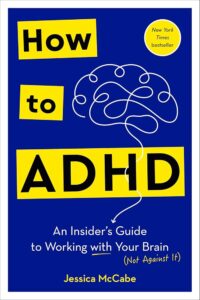
Books for Parents and Teens
A. For Parents
- Driven to Distraction by Dr. Edward Hallowell & Dr. John Ratey
- ADHD 2.0 by Dr. Edward Hallowell & Dr. John Ratey
- Smart but Scattered by Peg Dawson & Richard Guare
- Parenting Children with ADHD by Vincent J. Monastra
- Taking Charge of ADHD: The Complete, Authoritative Guide for Parents by Dr. Russell Barkley
- Self-Reg: How to Help Your Child (and You) Break the Stress Cycle and Successfully Engage
with Life by Dr. Stuart Shanker
B. For Children and Teens
- What’s Going on Inside My Head? by Molly Potter
- Free Association: Where My Mind Goes During Science Class by Barbara Esham
- Hank Zipzer by Henry Winkler and Lin Oliver
- Attention, Girls! A Guide to Learn All About Your AD/HD by Patricia O. Quinn
- My Brain Needs Glasses: ADHD Explained to Kids by Annick Vincent
- The Survival Guide for Kids with ADHD by John Taylor
- Focused by Alyson Gerber
- The Mini ADHD Coach: Tools and Support to Make Life Easier by Alice Gendron
- Mindfulness and Self-Compassion for Teen ADHD by Mark Bertin and Karen Bluth
Thriving with ADHD
While ADHD is often described in terms of challenges, it also brings unique strengths that can be powerful assets. With awareness, support, and the right strategies and resources, teens with ADHD can thrive at school and at home. I encourage teens and their families to use these resources to grow, learn, and connect, and remember that ADHD is just one part of a beautifully complex brain.
About the Author
A proud native New Yorker, Isabel Skarbinksi has always sought balance between the energy of the city and the peace of the outdoors. She loves spending time in nature, whether she’s walking in Central Park, hiking a favorite trail, exploring a new national park, or paddling. Working with children is one of her greatest passions, and she’s happiest when she’s helping young people learn, grow, and discover what truly brings them joy.